The short answer
Sort your products by use, condition and storage instructions before buying organizers. Put everyday items within easy reach and keep labels readable; a tidy shelf should help you use what you own.
Begin with an inventory, not a basket order
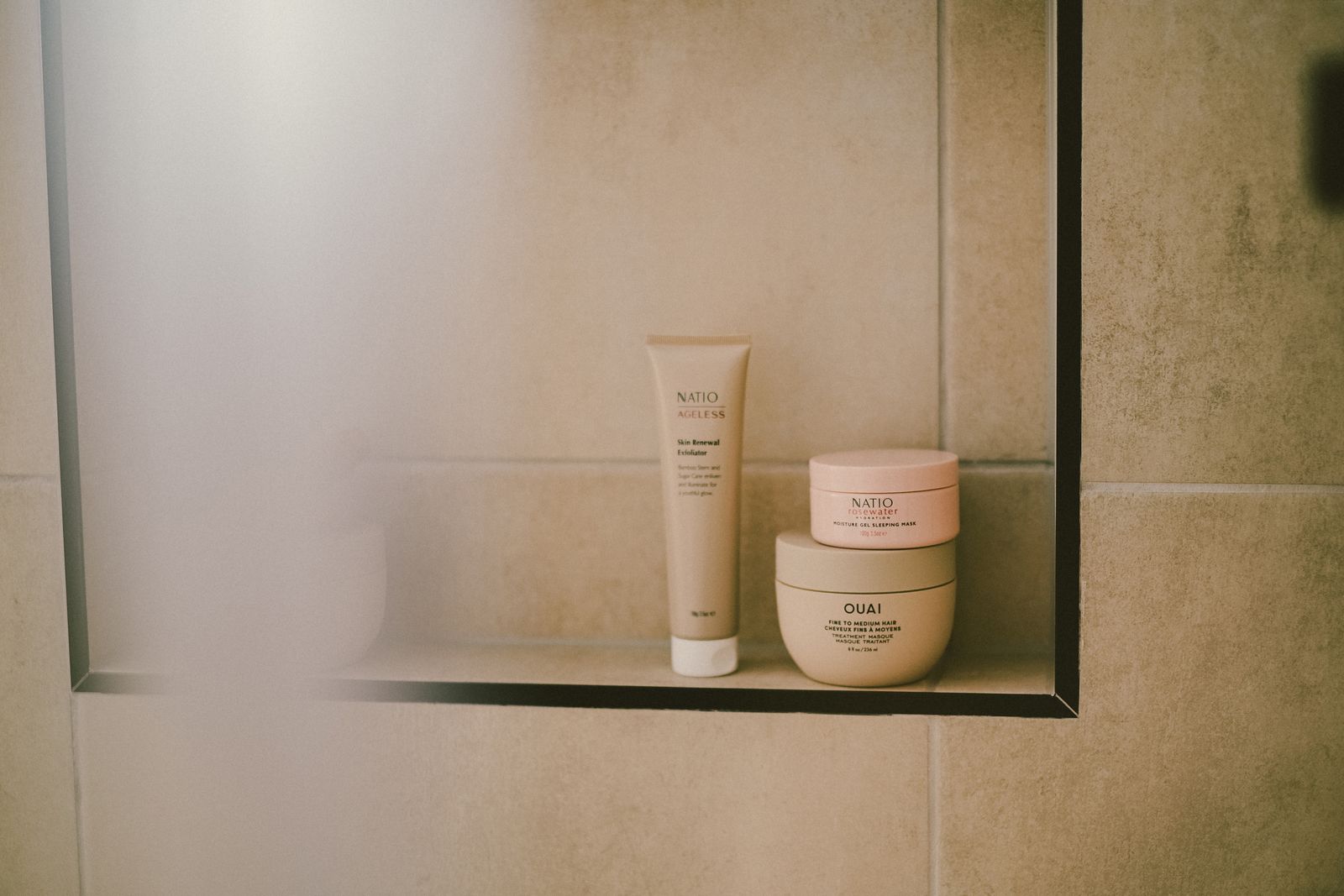
An organized bathroom can look like a collection of matching jars, but the useful part is being able to find the product you need. Start by taking stock of what is already there. Group everyday items, occasional items, unopened purchases, and products you need to investigate. Keep the labels visible while you work.
This is a review, not an instruction to discard everything that does not look coordinated. Usable products deserve a thoughtful decision, and some items need manufacturer guidance before you judge them. Avoid decanting simply to create a uniform display. Original packaging often contains directions, warnings, ingredient information, and dates you may need later.
Read the information you usually overlook
Check expiration dates where provided, instructions after opening, storage directions, and any changes in texture or appearance. The FDA explains that cosmetic shelf life depends on the product, use, and storage conditions. Do not invent a single lifespan for every jar. If information is unclear, contact the manufacturer using the details on the package.
For eye cosmetics, take particular care with hygiene and replacement advice. If a product has been associated with an infection or reaction, ask a qualified professional what to do rather than moving it to a different shelf. An organizer cannot make an unsuitable product appropriate to keep using.
Put everyday products in the easiest place
Arrange the items you use most often where they are simple to reach, while respecting their storage instructions. A tray can define a small routine, but a clear space may work just as well. Consider other household members, children, pets, and the way the room is used before choosing a location.
Reserve less convenient space for genuinely occasional items. If a product is out of sight, add it to a simple inventory so you remember you own it before buying another. Keep backups limited to familiar products you use at a predictable pace. A sale does not create a need for several unopened replacements.
Buy organizers only after measuring
Measure shelf depth, cupboard height, and the size of the products that need a home. A beautiful acrylic drawer is not useful if a pump bottle cannot stand upright inside it. Consider whether the organizer can be cleaned, whether it blocks labels, and whether the container itself creates more handling steps than it removes.
Repurpose an appropriate container you already own before purchasing a complete system. If you do buy, choose for a defined group of products rather than an imagined future collection. Matching storage can be pleasant, but it is a style preference. It does not need to become the standard every bathroom has to meet.
Create a small replenishment habit
Keep a list of products approaching the end of their usable life or normal supply. Record the exact formula and size for items you want to replace, particularly when similar packaging makes them easy to confuse. This can reduce rushed purchases and help you compare price without accidentally ordering a different version.
Revisit the shelf when a product runs out, after travel, or when you notice clutter building. There is no need for a rigid weekly reset if that feels unnecessary. The aim is to make your current routine visible, keep important label information available, and leave enough space that a new purchase has to earn its place.
Before you buy
- Inventory products before buying storage.
- Read dates, warnings, and storage directions.
- Keep original label information accessible.
- Measure the space and limit unnecessary backups.
Continue your research
These official-brand starting points are for browsing the relevant category. Compare the current details against your checklist; inclusion is not a claim that every item suits you.
Explore BAGGU bags ↗Explore Hydro Flask drinkware ↗Non-affiliate links. Prices, ingredients, stock and terms are set by the merchant. Check the current product page and label.
Your questions, considered
Should I decant everything into matching jars?
Only decant when the product and container are suitable, and preserve essential labeling. Visual consistency is less important than safe, clear product use.
How often should I replace cosmetics?
Follow product and manufacturer guidance. Shelf life varies, so avoid applying one universal timetable to every item.
Sources & further reading
Prepared October 27, 2026. Sources support general background; the shopping judgments are editorial. For persistent symptoms or individual health advice, consult a qualified clinician.
Something to clarify? Send a correction or a question. Read our editorial standards.